
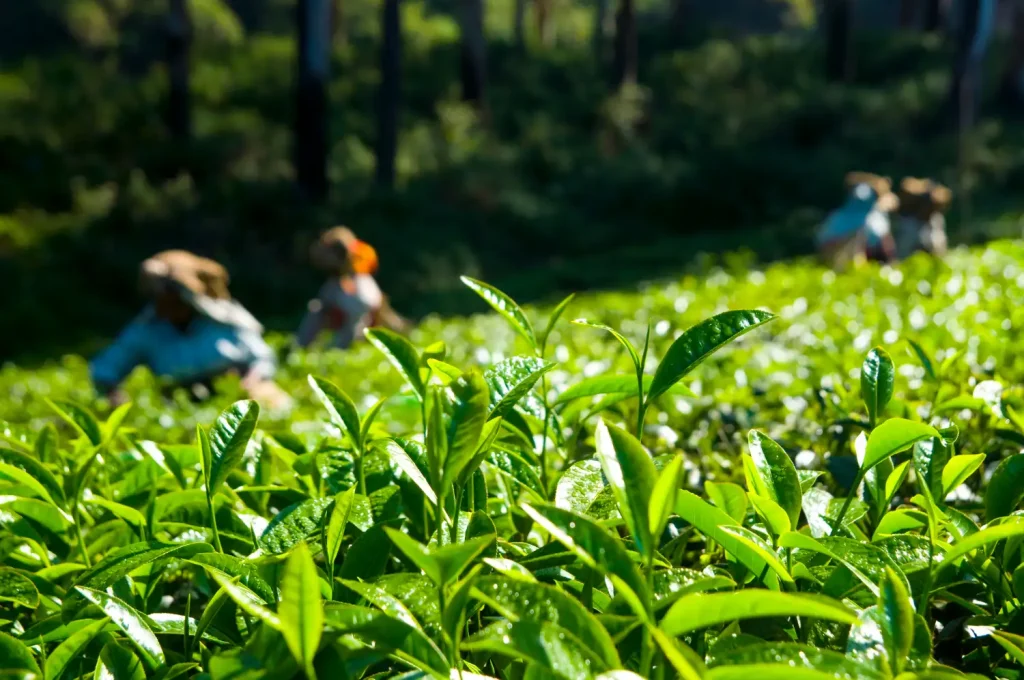
When the first tea seedlings (Camellia sinensis) were introduced in Kenya by the white settlers in 1903 in Limuru on experimental basis, it wasn’t out of their love for Kenya and its people. It was part of the British commercial expansionist strategy for tea sourcing to meet their growing tea market at the time. The Cain Brothers who planted the first tea bushes that have grown into large trees, forming a historical feature on what is now Unilever’s Mabroukie Tea Estate. A few private farmers had tried to establish small tea gardens in Limuru and Kericho, but it was not until 1924 when proper commercial tea cultivation started, remaining an exclusive preoccupation of the colonialists until 1956.
Initially Africans were not to be allowed in a cash crops like tea and the reasons it took a while to introduce Kenyans to the crop. The colonialism at the time made Kenyans take venturing into such activities as an extension of it and resisted early introduction by revisiting newly planted fields at night to cut the roots so the plans just died out.
First forward, it took a raft of legal, policy and to some extent some major patriotic moves to get the Kenya tea industry on a value building drive. Incidentally it’s the lack of keeping fidelity to the same measures and of course taking them further given the changes in times and circumstances has condemned the industry to its current state of quagmire.
The Tea Ordinance No. 46 of 1934, was the first legal instrument enacted to govern and regulate commercial tea production. This was revised in 1948 (No. 52 of 1948) creating the Directorate of Agriculture responsible for controlling tea production by issuing licenses and permits to growers. This regulatory function was in 1952 transferred to the Tea Board of Kenya (TBK), established under the Tea Act (CAP. 343, Laws of Kenya). In 1964 the Kenya Tea Development Authority replaced the Special Crops Development Authority (SCDA) that had earlier been established under the Agriculture Act of 1960 (Cap 318) to regulate cultivation of cash crops. The 1948 revising of the Ordinance and the transfer of regulatory functions to TBK in 1952, ushered tea cultivation by smallholder farmers in Kenya, with Kenyans starting to grow tea in 1956.
The Tea Act (CAP 343), also gave KTDA exclusive management control over the supply of agrochemical inputs (fertilizer), planting materials and extension services and the management of the tea factories and marketing of processed tea. The Legal Notice No 99 of 2000, privatized KTDA (Authority) to KTDA (Agency Limited) with tea farmers owning it through their Factory Companies and renamed to KTDA (Holdings Limited) in 2009.
The first smallholder tea factory was set up in Ragati, Nyeri, run through a management agreement with multinational tea companies. The first Kenyans were appointed to manage a tea factory in 1972 following lots of agitation from KTDA managers as they were believed not to have enough brain capacity to handle such a role.
Early tea exports were packed in wooden chests but concerns on deforestation and costs led to packing teas in either polyethylene or multi layer paper sacks. This move faced lots of resistance from the overseas importers under the guise of fears of quality deterioration. KTDA managers were involved in this global milestone.
1956 tea industry members through their association challenged the consigning of all teas to the London Auction and set to have a tea auction in Kenya, initially offering small amounts of secondary grades after every two weeks at Plantation House, Haile Selassie Road, Nairobi, but relocated to Mombasa in 1969.
With 80% of all teas produced sold through the Auction in Mombasa, prices for all other sales pegged on the Auction prices. Brokers sell teas at the Auction on behalf of Producers after undertaking quality analysis and valuation of the teas, and sharing the information with Producers. They prepare a catalogue of the teas they are selling with the Buyers together with samples for their own quality analysis and readying to buy at the Auction through a bidding process with the highest bidder winning that defines the prices discovered mechanism. The quality analysis is the basis for valuations and pricing. Its objectivity and subjectivity require urgent evaluation. Modern science can solve this. Do we still need some legal, policy and patriotic interventions? Yes!! I submit!