
The creation story from the biblical Book of Genesis describes how God created heaven and earth, plants, animals, and people; and later how the first people were cast out of the Garden of Eden as punishment for eating from the ‘tree of knowledge of good and evil’. I am very sure this was not a tea tree.
While tea is the world most popular beverage after tap water, many of us really do not know tea beyond being a steaming beverage that we take mostly for breakfast and also to keep the day going. But we have all heard about many disputes being settled over a cup of tea like the common English idiom – a storm in a cup of tea (worry over something that is not important). We have also heard of the famous Boston Tea Party also called ‘it was all about stupid tax’ (take your tea and shove it) that catalyzed American independence.
The Chinese believe tea has many health benefits including some curative properties. These include increase blood flow to all parts of the body; stimulate clear thinking and mental alertness; speeding the elimination of alcohol and other harmful substances from the bodily organs; increasing the body’s power of resistance to a wide range of diseases; accelerating the metabolism and the intake of oxygen by the bodily organs; preventing tooth decay; cleansing and invigorating effect upon the skin, which assists in the preservation of a youthful appearance; preventing or slowing the onset of anemia; assisting the digestion; and many others.
But given the economic importance of tea to Kenya, especially to the rural economies where we have well over 5 million people directly and indirectly depending on tea for a livelihood, it’s important to understand the role of key players in the industry.
The Ministry of Agriculture and Livestock Development is responsible for creating an enabling environment for agricultural development; increasing productivity and outputs in agricultural sector; improving market access and trade; and strengthening institutional capacity. It does so through formulation, implementation and monitoring of agricultural legislations, regulations and policies; and supporting agricultural research and promoting technology delivery, among others.
On the other hand, Tea Board of Kenya vide Tea Act 2020, is responsible for developing, promoting and regulating the development of the tea industry, and which includes coordinating the activities of individuals and organizations within the tea industry, for the best interest of the industry.
The Fourth Schedule of the Constitution “distributes” functions between the National Government and County Governments with agriculture being a devolved function of the County Governments and the National Government overseeing agricultural policy. The Cunty Government are therefore responsible for Extension services and on farm demonstrations; Inspection and regulations; Research; Promoting farmer co-operatives; and Computerisation of value chains.
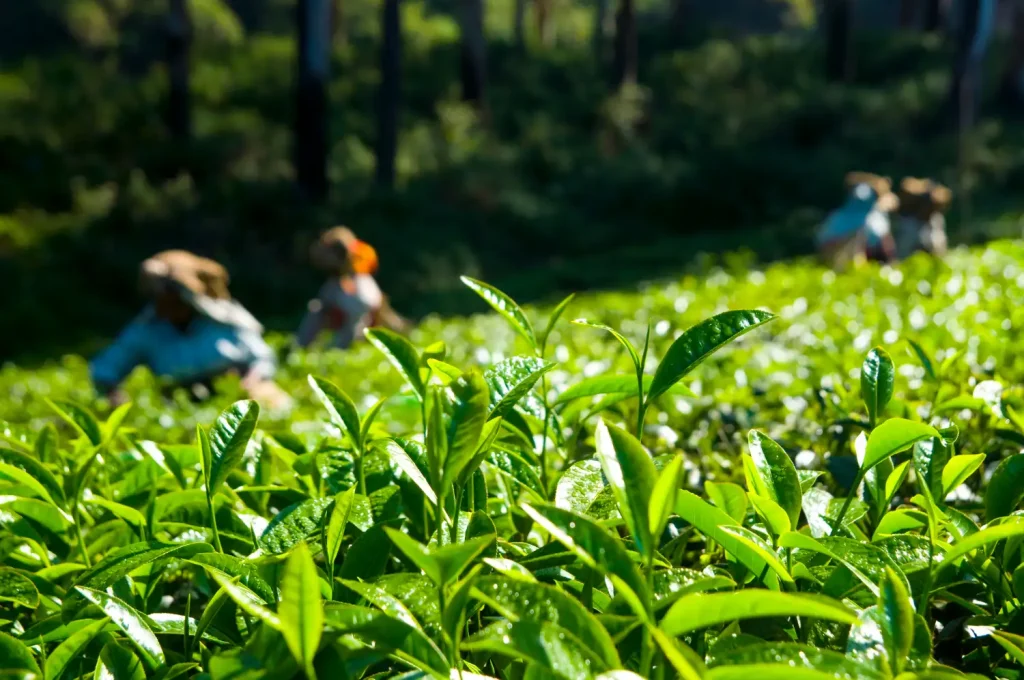
Many individuals, private companies and organisations play a critical role along the value chain. Tea farmers produce tea and coalesce around tea factory companies as large estates, independent companies or smallholder companies largely organised under KTDA. Value creation from a quality perspective on the final tea product is harnessed here by ensuring quality green leaf is produced at the farms, delivered and processed at the factory. They also decide on the marketing and sale of the final product.
Down the value chain are Warehouses offer storage and therefore collateral management on the teas for the sale transactions to happen. Brokers offer quality analysis and valuation of the teas ahead of handling the sales at the weekly auctions. Buyers bid for the teas at the auction and export to overseas principals. All these and Packers own East Africa Tea Trade Association, a company limited by guarantee and which runs the tea auctions.
This paints the price discovery architecture through the various players. In the history of the tea industry in Kenya, KTDA leadership has had a strong hand in driving most of the historical changes, including management of tea factories by Africans, the establishment of the tea auction in Kenya, use of paper sacks as opposed to wooden chests and growing of the current local tea packing capacities. The current challenges facing the industry are waiting for the next defining move by KTDA to enable overcome. My prayer is that KTDA is strategizing on the next move. We are all watching.